One night at -9F with high winds, and that was enough to wipe out my atrovaginata. I think it can still releaf, but it definitely looks entirely leaf burned because the wind chills may have exceeded -30F on that night. This proves that the compost under there alone really doesn't help much in terms of keeping the leaves green, but it may still save good shoot buds for next spring.
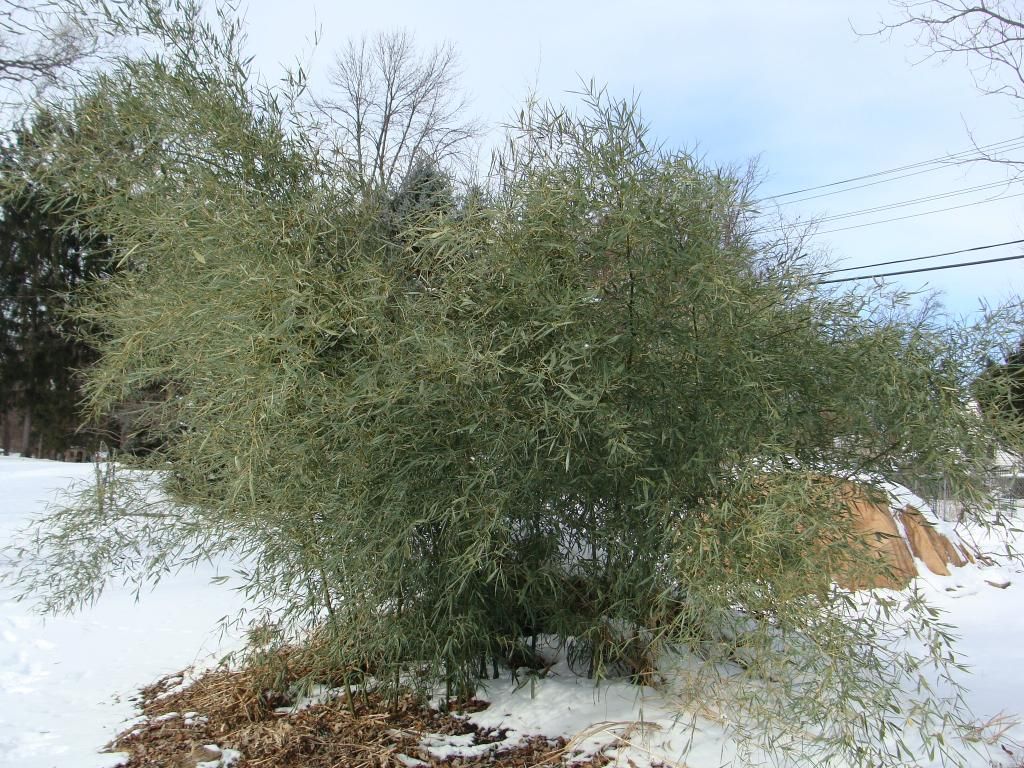
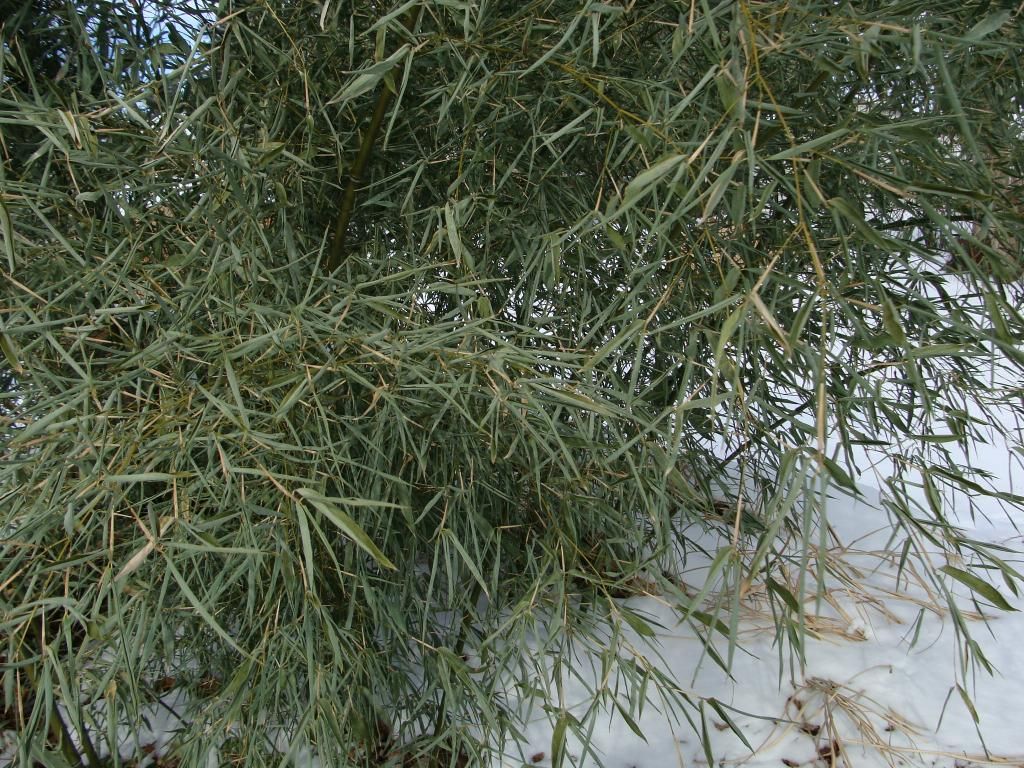
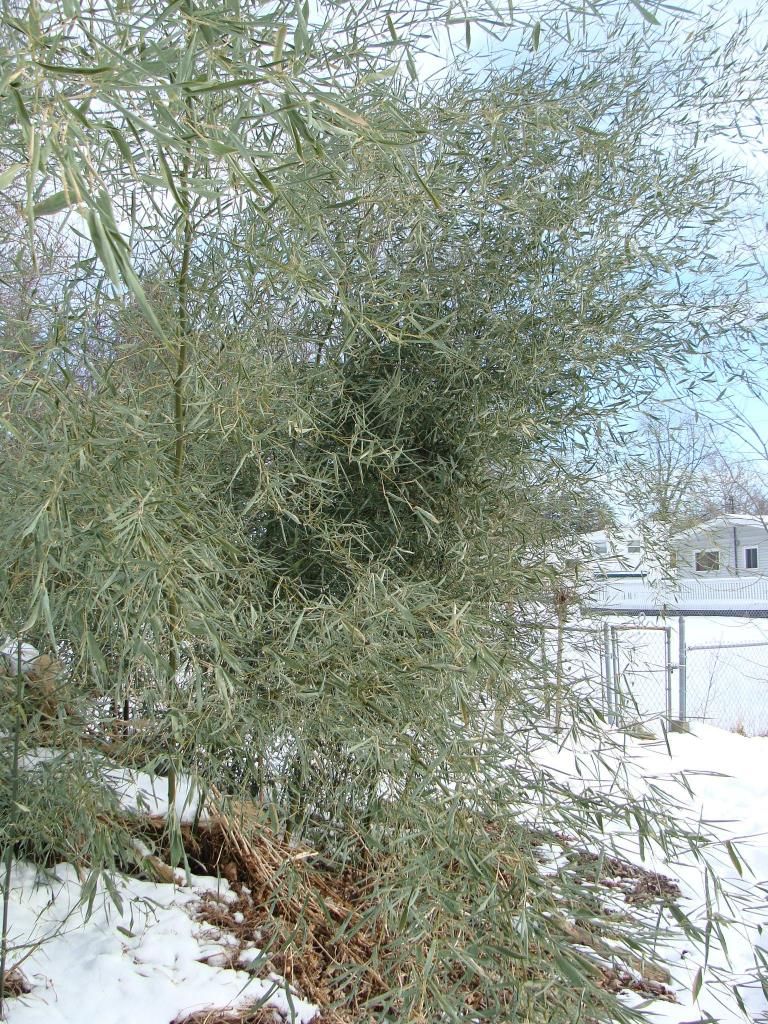
Tying culms together did absolutely no good.
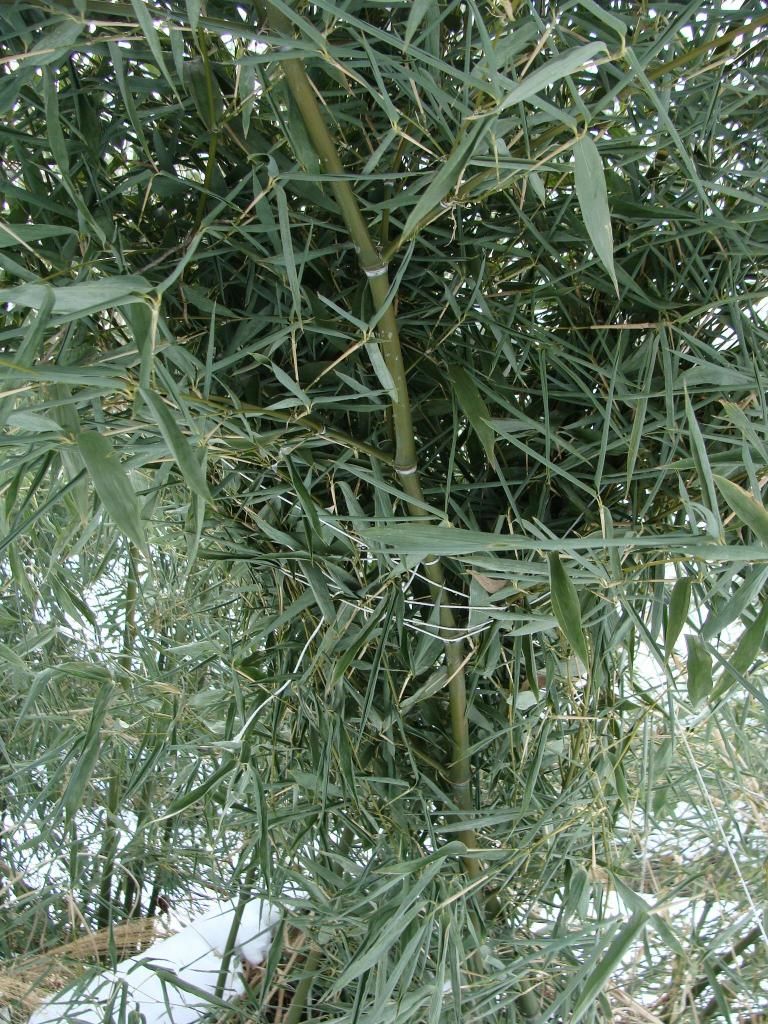
The only surviving leaves were the ones underneath the snow line.
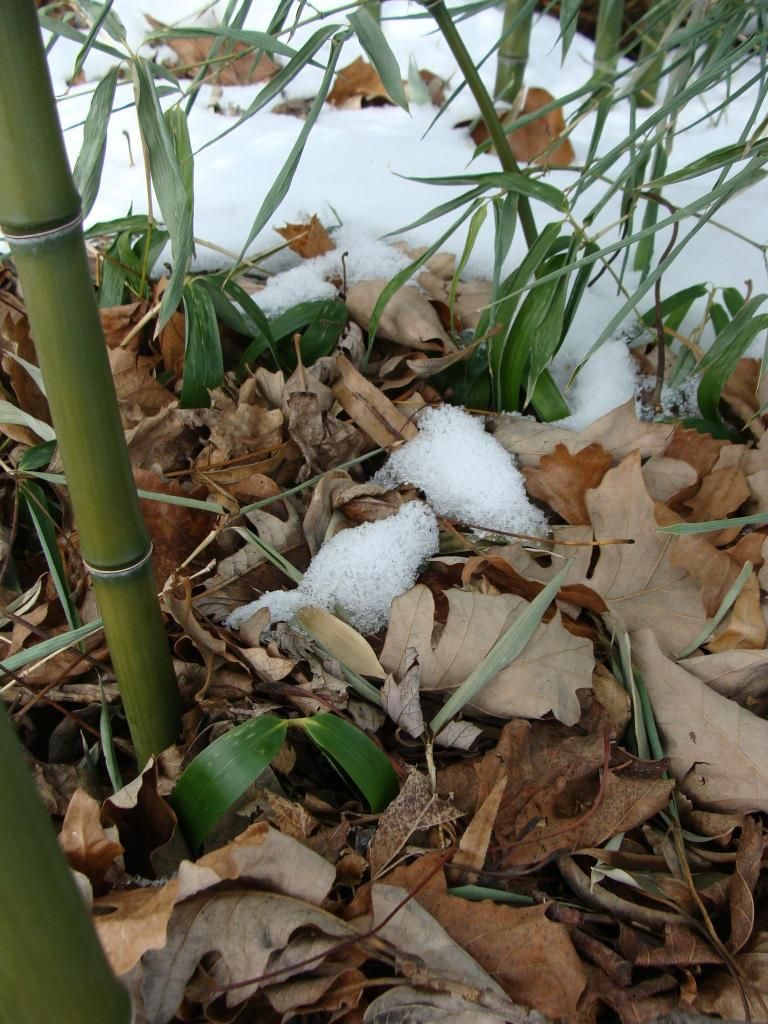
Even the propinqua beijing test culms look completely fried, but luckily, atrovaginata is the only species that I did not tarp.
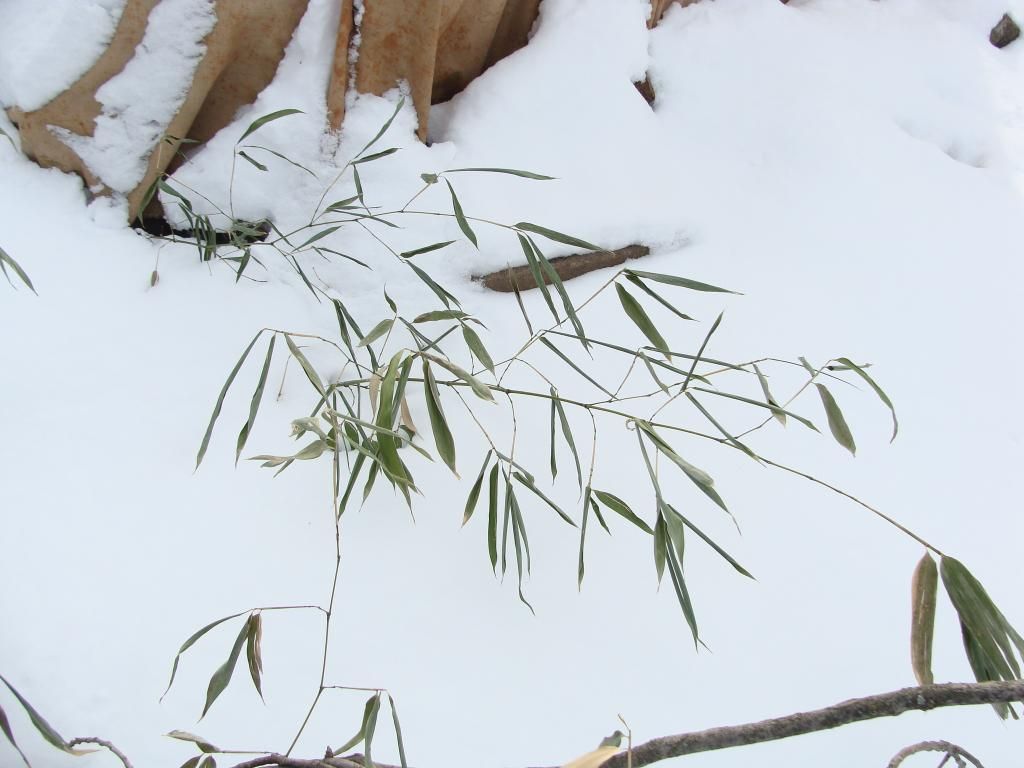
The parvifolia looks pretty good for the parts never exposed to wind so I think the wind chill must have played a big factor in wiping out culms on all groves that were exposed.
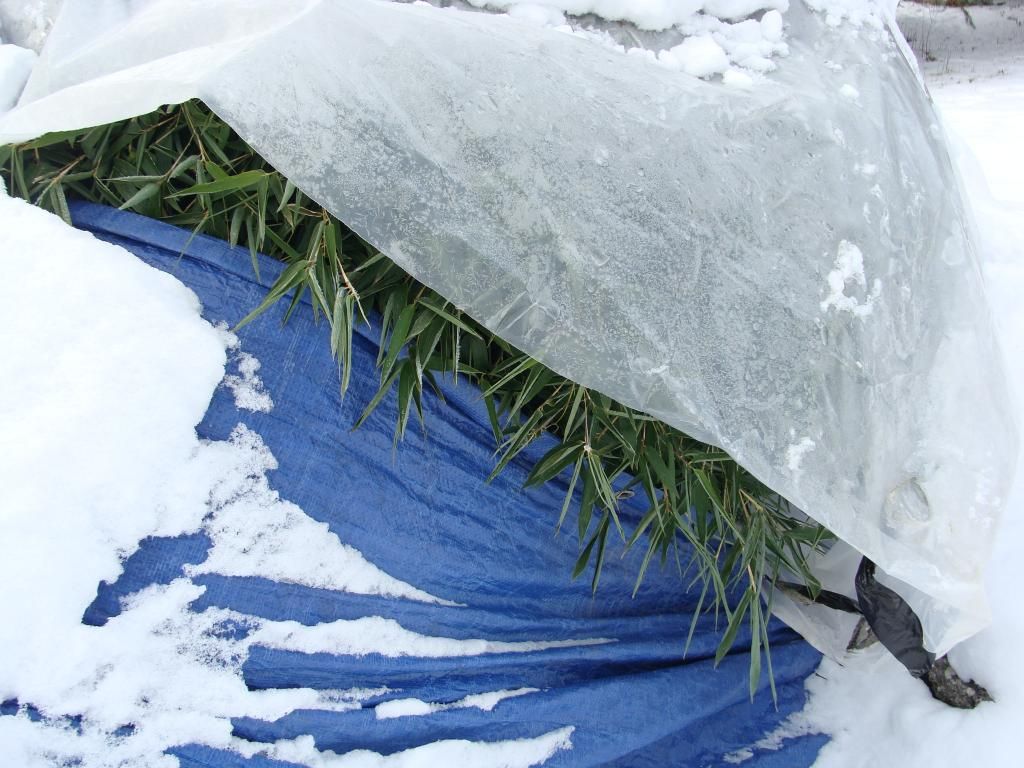
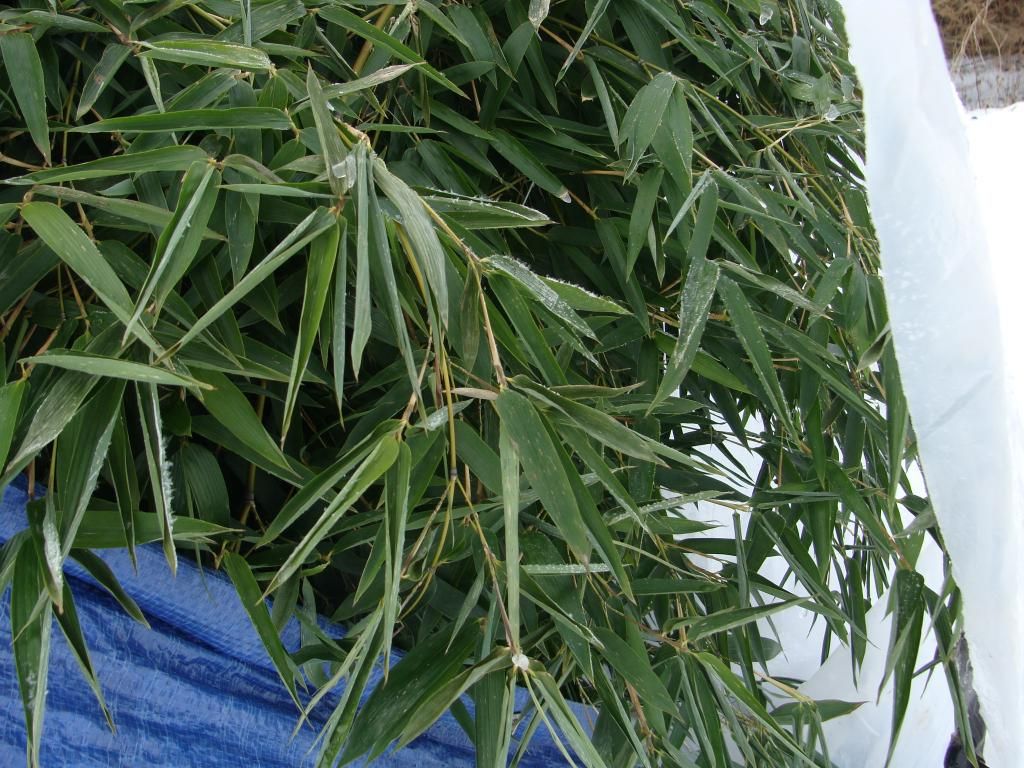
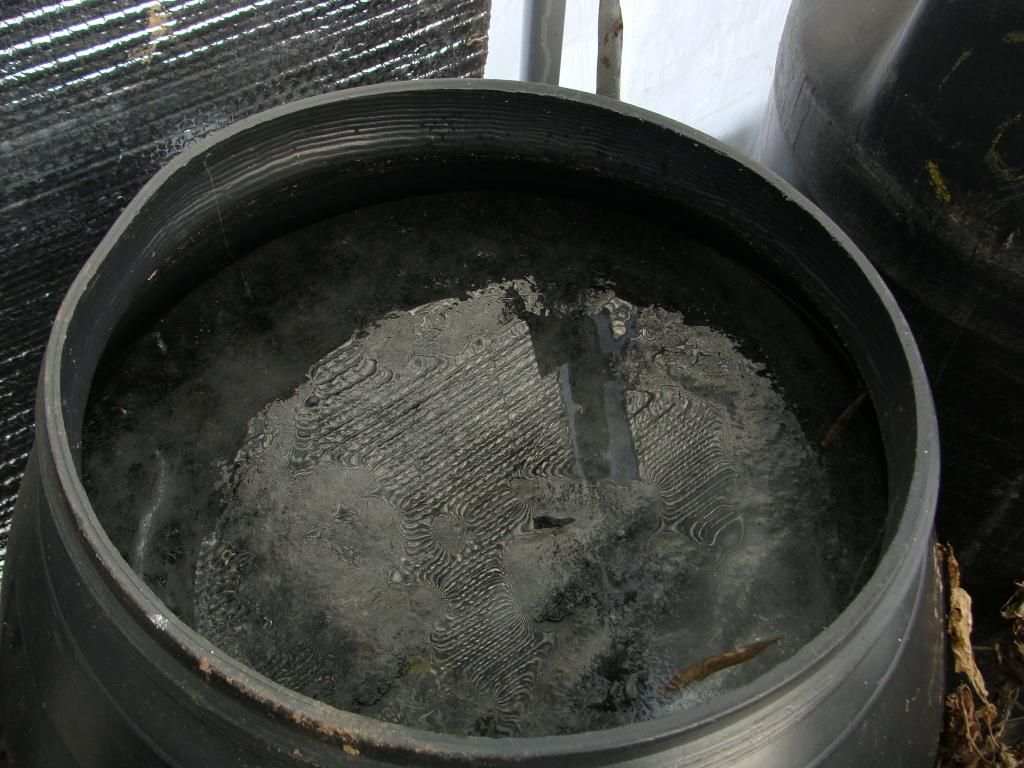
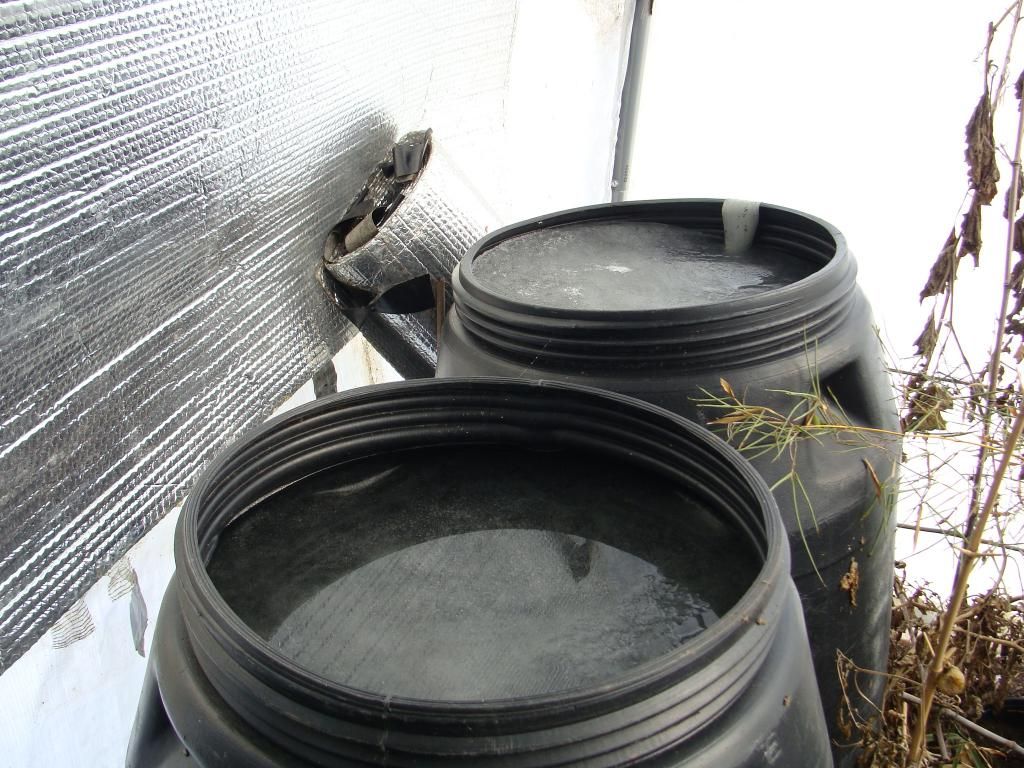
As expected, the moso bicolor with the greenhouse over it is immune to the winter winds, and even though the barrels can freeze over resulting in temperatures close to 0F, it's showing no signs of damage in there.
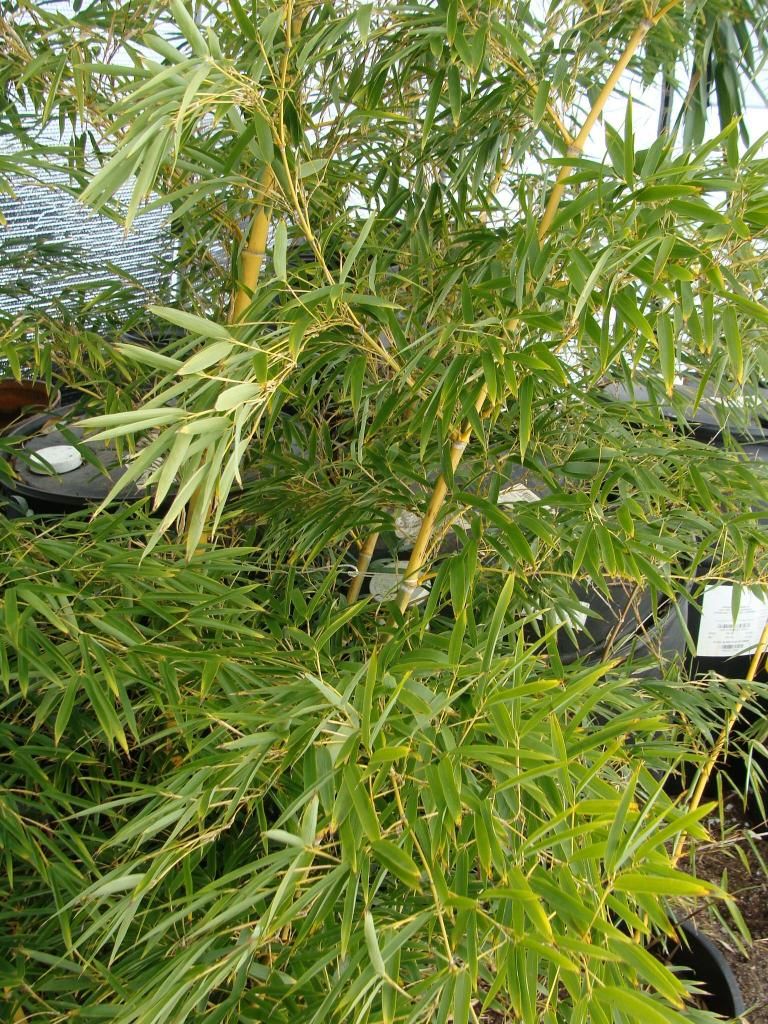
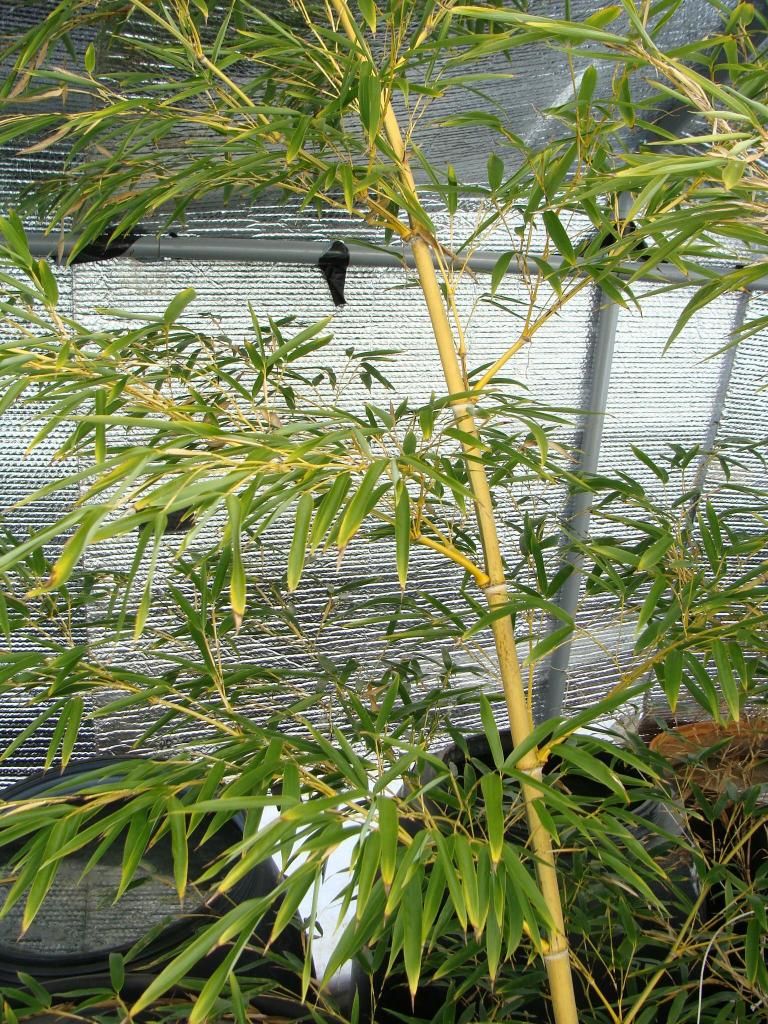
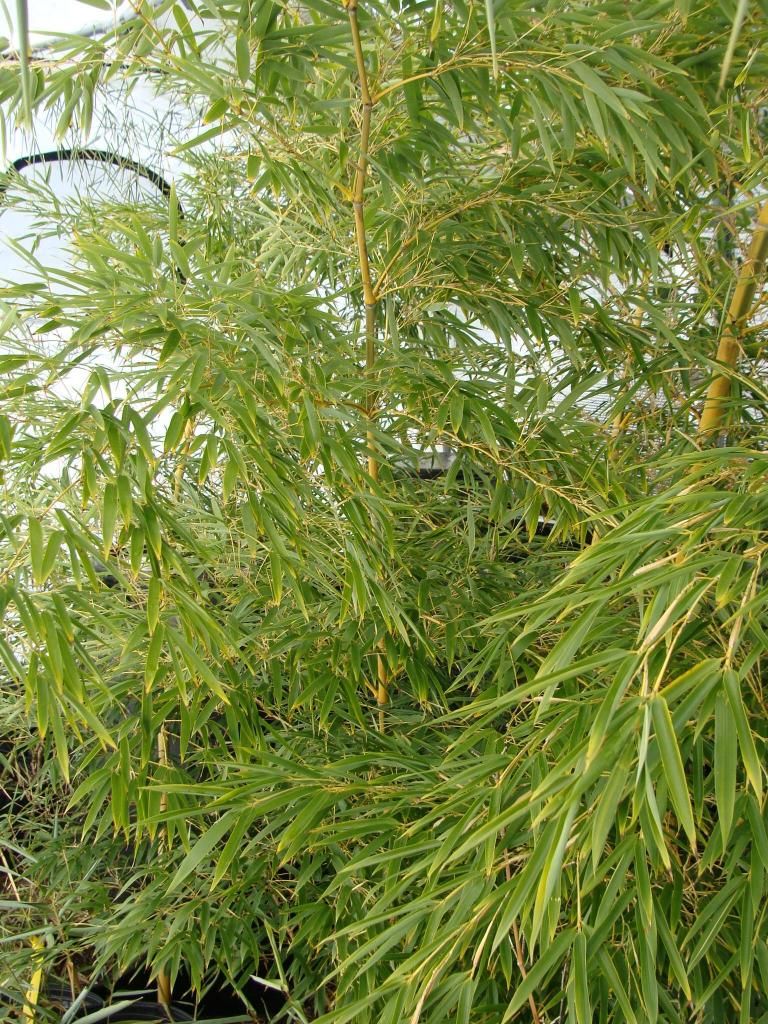
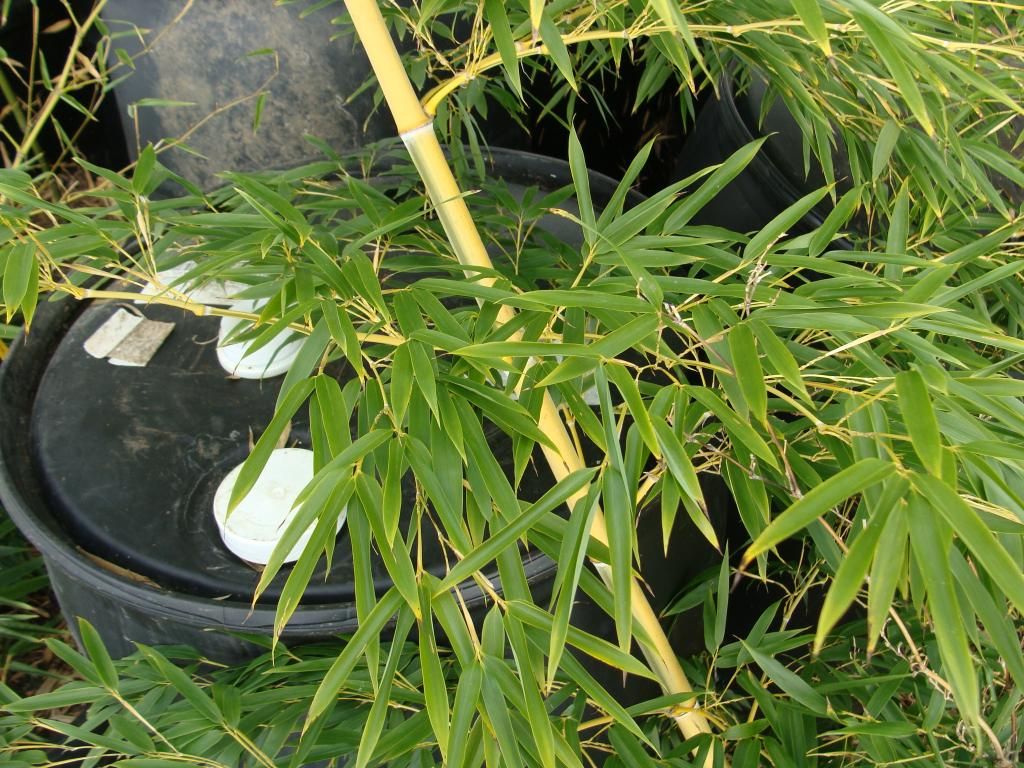
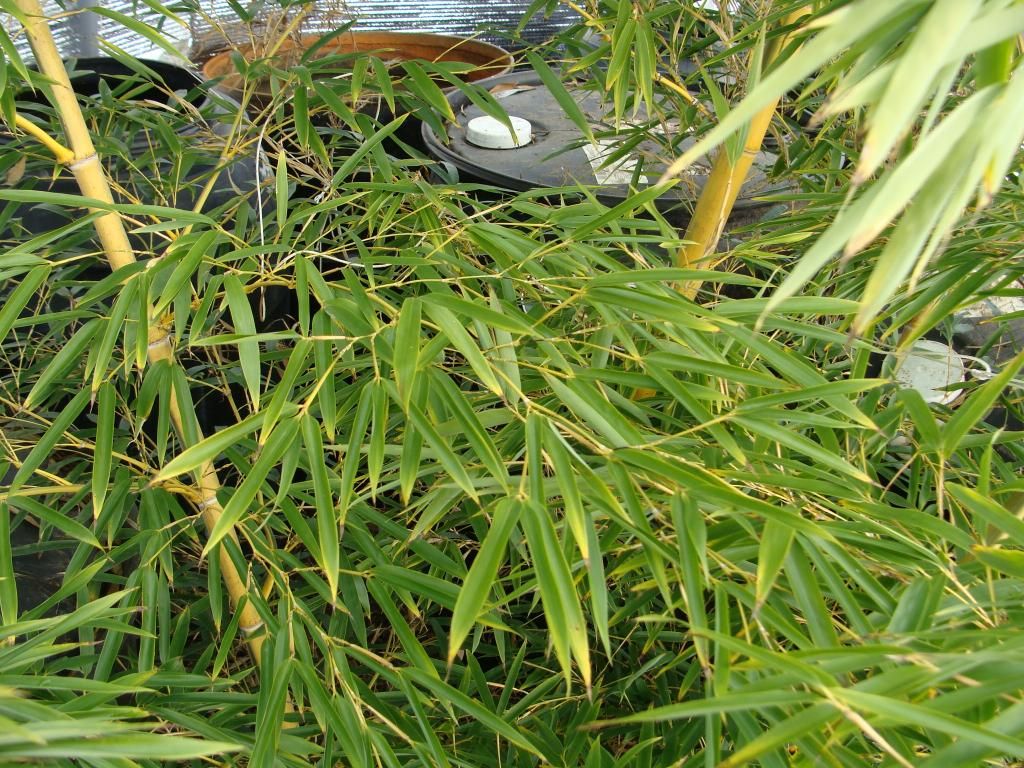
The barrels are frozen solid, but usually be February, the daylight gets stronger and stronger, making it more and more likely for the barrels to unfreeze with the increased greenhouse effect.